Bright orange background with bold text: “Why Animated Lightboxes Outperform Static Displays.” Two SEG Lightboxes feature a vivid beach scene and a grayscale beach with a sad face. Shomi! logo sits at the top left, highlighting animated lightboxes.

Why Animated Lightboxes Outperform Static Displays

Static Displays Blend in. 
Animated Lightboxes Don’t.

Let’s be honest about the state of physical environments.

Retail floors are crowded. Trade shows are louder than ever. Experiential spaces are designed to overwhelm. In that context, most static displays aren’t competing, they’re blending in.

That doesn’t mean static is “bad.” It means the environment has changed.

And the brands that haven’t adjusted are paying for square footage that no one truly sees.

Motion Is No Longer a Gimmick.
It’s a Baseline Advantage.

There was a time when animation in physical displays felt like a novelty. Flashy. Overused. Easy to get wrong.

That era is over.

Today, the most effective animated lightboxes aren’t trying to impress. They’re doing something far more valuable: interrupting visual autopilot.

Subtle fades. Gentle sequencing. Controlled highlights.

Nothing loud. Nothing desperate.

Just enough motion to make the eye stop pretending it didn’t see the display.

Static Relies on Permission.
Motion Takes It.

A static display waits for someone to choose it.

Animated lightboxes don’t.

They earn attention passively, without demanding interaction, sound, or screens. In high-traffic environments where no one is browsing casually, that distinction is everything.

If your display needs a viewer’s goodwill to work, it’s already losing.

Premium Brands Can’t Afford to Look Static

For premium brands, this isn’t about “standing out.” It’s about signaling relevance and investment.

Animation, when done properly, communicates:

  • Intentional design
  • Considered execution
  • Confidence in restraint


It doesn’t scream innovation. It suggests control.

And control is what premium brands are actually selling.

Why Screens Aren’t the Answer

This is where many teams over-correct.

Screens solve attention problems by dominating the space. Animated lightboxes solve them by integrating into it.

They maintain materiality. They respect architecture. They don’t turn physical environments into digital billboards.

In many cases, animated lightboxes do the job brands want screens to do but without the downsides.

More Brands Should Be Using Fewer Displays, With More Thought

Here’s the uncomfortable truth:

If everything is static, nothing is special. If one element moves, it becomes the anchor.

Animated lightboxes allow brands to design hierarchy back into environments that have lost it. They help teams say more by showing less, over time.

That’s not a creative trend. That’s communication fundamentals catching up with reality.

Good Execution Is the Entire Ball Game

Animated lightboxes only work when the build is solid.

Motion adds pressure behind the scenes; power, durability, installation, and long-term reliability. If those details aren’t solved early, animation doesn’t elevate the display. It exposes its weaknesses.

That’s why animation can’t be an afterthought. When it’s planned from the start, motion feels effortless and premium. When it’s added late, it becomes fragile.

The best animated displays don’t come from bigger ideas. They come from execution that’s been thought through before anything is built.

The Bottom Line

Static displays still exist because they’re easy and useful in the right circumstances.

Animated lightboxes are winning because they’re intentional.

They don’t try to out-shout the environment. They out-think it.

And in today’s physical spaces, the brands that win attention aren’t the loudest ones.

They’re the ones that don’t wait for attention; they interrupt it!

Designing for Accessibility-2

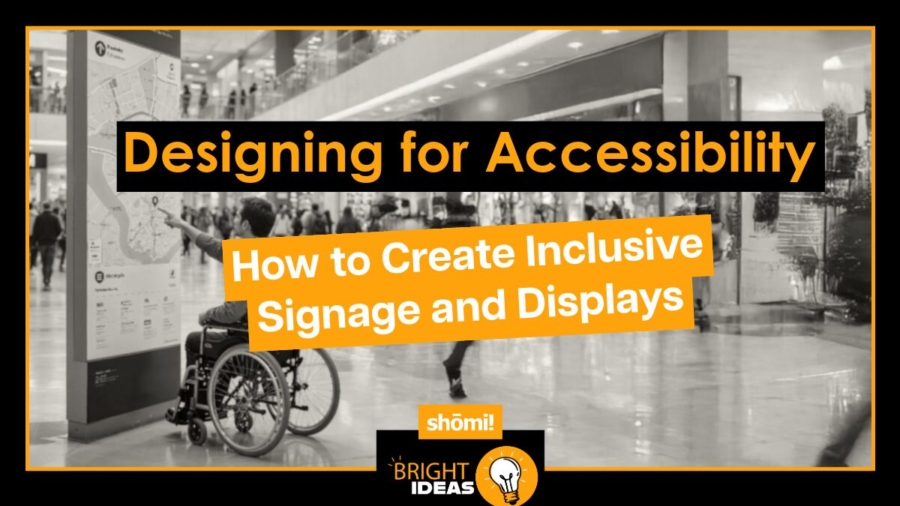
Designing for Accessibility: How to Create Inclusive Signage and Displays

In today’s world, the need for inclusivity and accessibility is more important than ever. Brands have a responsibility—not just an opportunity—to ensure that their visual displays and signage are designed with everyone in mind, ensuring that they are easy to understand, navigate, and interact with. Creating accessible designs isn’t just about meeting legal requirements, it’s about fostering an environment where everyone feels welcome

Let’s explore how to design signage and displays that are inclusive and effective for all audiences.

Understand the Basics of Accessibility

Before diving into the creative process, it’s essential to understand what accessibility actually means in the context of signage and visual displays. Accessibility refers to the design of products, devices, services, or environments for people with disabilities. But it goes beyond that. It’s about making your content clear, easy to navigate, and welcoming for everyone, including those with temporary impairments or people who might face difficulties due to situational factors like low light or loud environments.

For signage, accessibility involves considering factors like visual impairment, mobility restrictions, cognitive disabilities, and hearing impairments. And while it might sound complex, creating accessible designs isn’t rocket science—it’s about empathy, thoughtfulness, and a few design best practices.

2. Prioritizing Contrast for Legibility

The most basic rule of accessible design is ensuring readability. Your message can be powerful, but if no one can read it, it’s lost. Contrast between text and background is a critical factor for readability, especially for people with visual impairments or color blindness.

Ensure a high level of contrast between text and background. Dark text on a light background (or vice versa) typically works best. For instance, think bold black letters on a clean white surface or light text on a rich, dark background—simple but highly effective.

Avoid subtle color differences or decorative backgrounds that can obscure the message. Clear, bold visuals are essential, particularly when designing large-scale displays for environments like trade shows or storefronts.

3. Font Matters: Choose Wisely

When it comes to typography, not all fonts are created equal. Decorative or overly stylized fonts may look unique, but they can be difficult to read, especially for individuals with dyslexia or visual impairments. Stick to simple, sans-serif fonts like Arial, Helvetica, or Verdana, which are clean and easy to decipher at a glance.

Additionally, avoid using italics or all caps for long text, as these styles can be harder to read for people with cognitive or visual disabilities. And don’t forget about size! Your text should be large enough to be read comfortably from a reasonable distance. For example, in a retail environment, signage needs to be legible from at least 10-15 feet away.

Text that’s too small or cramped can be difficult for anyone to read, especially from a distance. Large, well-spaced text ensures readability for everyone, including people with low vision or cognitive disabilities. It’s also a good idea to avoid using all caps for longer messages, as that can make it harder for the eye to process the information.

4. Strategic Placement and Layout

The physical placement of your signage is just as important as the design itself. If a person in a wheelchair can’t see your signage because it’s too high, or if it’s tucked away in a corner that’s hard to access, then it’s not serving its purpose.

When designing for accessibility, place signs where they are easily visible and reachable. For example, signs at entrances should be at a height that can be easily seen by all users, including those who are standing, seated, or using mobility devices. As a general rule, positioning signage between 48 and 60 inches from the ground works for most people, including those in wheelchairs.

Don’t forget about lighting! Adequate lighting is essential for visibility, and reflective surfaces can make signs easier to spot in both well-lit and dim environments. The last thing you want is your message getting lost because it’s shrouded in shadows.

5. Incorporating Symbols and Icons

Text alone isn’t always the best way to communicate your message—sometimes, symbols and pictograms can be more effective. This is especially true in environments where language barriers may exist or for people with cognitive disabilities.

For instance, universally recognized symbols like a phone for customer service or a wheelchair symbol for accessibility are clear and instantly understandable.

Combining text with symbols not only makes your display more accessible but also speeds up comprehension for everyone, including those in a rush or those who speak a different language.

6. Braille and Tactile Signage for the Visually Impaired

For individuals who are blind or visually impaired, tactile signage and Braille are essential. Including Braille on directional signs, room identifiers, or other important signage ensures that everyone can navigate a space with ease. Tactile signage should be installed at a height that is comfortable to reach, similar to visual signage, ensuring it’s accessible to all users.

Braille should be crisp and well-placed, typically below the corresponding text on a sign. Including Braille, especially in public and retail spaces, ensures that no one is left out of the experience, regardless of visual ability.

7. Considering Hearing Impairments in Display Design

While accessibility is often seen as a visual issue, it’s important to consider those with hearing impairments, especially when your displays incorporate sound. Subtitles or captioning are effective ways to communicate audio information visually. In spaces where announcements or audio cues are important, including written or visual equivalents ensures everyone can access the content.

Interactive displays that rely on sound should include visual cues or allow for a tactile interaction as well. Incorporating multiple senses into a display not only improves accessibility but also enhances the overall experience for a broader audience.

8. Testing with Real Users

One of the most effective ways to ensure that signage and displays are truly accessible is to test them with users who have disabilities. This can provide insight into potential barriers or design oversights that might not be obvious during the initial stages of development. Whether it’s someone with a visual impairment or a mobility challenge, gathering feedback from diverse users helps fine-tune the design to be more inclusive.

It’s also a good idea to use accessibility tools during the design phase to simulate how your display might be experienced by people with different impairments. Tools that replicate color blindness or visual impairments can offer valuable perspective.

Why Accessibility Matters in Branding

Making your signage and displays accessible isn’t just a nice thing to do—it’s a smart business move. More and more consumers are choosing to support brands that prioritize inclusivity, and an accessible display sends a clear message that your brand cares about all its customers. Plus, accessibility often leads to better usability for everyone, which can improve engagement and customer satisfaction overall.

In an age where inclusivity is both a social and business imperative, designing accessible signage and displays sets a powerful example of thoughtfulness, empathy, and forward-thinking design. By making a few mindful choices—like prioritizing contrast, using simple fonts, and ensuring signage is easy to navigate for everyone—you can create environments where no one feels left out. And in doing so, you make your message, your brand, and your experience more powerful for everyone.

Whether you’re planning your next big pop-up, outfitting a retail space, or rolling out a trade show booth, keep accessibility at the forefront of your design strategy. Let’s work together to create displays that speak to everyone.

Tradeshow Design(1)

Acquiring and Using Sustainable Materials in Trade Show Design

Trade shows are a vital marketing tool, offering brands a platform to engage with customers and showcase their products. But let’s be honest—traditional trade show designs are about as eco-friendly as a plastic straw convention. Single-use materials, waste galore, and energy-hungry setups are the norm. Fortunately, sustainability is no longer just a buzzword; it’s a movement. So, let’s talk about how to create show-stopping exhibits without leaving a carbon footprint the size of a T-Rex.

Understanding Sustainable Materials in Trade Show Design

Sustainable materials are like the superheroes of the design world—they fight waste, lower emissions, and still look fabulous doing it. These materials are renewable, recyclable, biodegradable, or made from recycled content. When picking your trade show materials, ask yourself:

  • Recyclability & Reusability – Can this material live another life after the event, or will it end up in landfill purgatory?
  • Biodegradability – Will it gracefully decompose like a rom-com protagonist’s heartache?
  • Sustainable Sourcing – Was this sourced responsibly, or did it sneak out the back door of an unethical supply chain?
  • Energy Efficiency – Is this material a gas guzzler or a lean, green, energy-saving machine?


Acquiring Sustainable Materials

Finding the right materials isn’t just about hopping on the green bandwagon—it’s about making smart choices that don’t compromise on quality or aesthetics. Here’s how to source eco-friendly options:

1. Work with Sustainable Vendors

Not all suppliers are created equal. Some are as green as a spring meadow, while others just slap an “eco” label on things and call it a day. Look for vendors with legit certifications like:

  • FSC (Forest Stewardship Council) – Because trees deserve ethical treatment too.
  • Cradle to Cradle Certification – For materials that keep coming back like your favorite TV show.
  • LEED Compliance – So your booth is as green as your marketing team’s dreams.

2. Opt for Recycled and Upcycled Materials

Why create new waste when you can turn old materials into something fabulous? Recycled aluminum, reclaimed wood, and upcycled fabrics are your best friends here. Think of it as trade show design with a redemption arc.

3. Consider Modular and Lightweight Materials

Think IKEA, but make it eco-friendly. Modular displays made from bamboo, aluminum, and fabric tension systems not only look sleek but also pack up efficiently, reducing shipping emissions (and saving your team from hauling around a ton of stuff).

Implementing Sustainable Materials in Trade Show Design

Now that you’ve sourced your materials, it’s time to use them like an eco-warrior with impeccable taste.

1. Design for Longevity and Reusability

Disposable booths? That’s so last century. Go modular, invest in high-quality materials, and create displays that can shapeshift for different events—like a chameleon, but make it chic.

2. Use Energy-Efficient Lighting

If your booth is lighting up like a Christmas tree, make sure it’s with energy-efficient LEDs. Better yet, solar-powered lighting? Now we’re talking next-level sustainability.

3. Reduce Waste with Smart Logistics

  • Stackable, compact designs = fewer trucks, less fuel, and more savings.
  • Return programs = materials that get a second life instead of a dumpster fate.
  • Local sourcing = supporting communities while slashing shipping emissions.

4. Communicate Your Sustainability Efforts

You’re making an effort, so shout it from the rooftops (or at least your booth signage). Use digital displays or QR codes to tell your sustainability story—because being green is cool, and everyone should know about it.

Going green in trade show design isn’t just good for the planet—it’s good for business. Customers love a brand that cares, and making sustainable choices means your exhibits will look stunning without harming the environment. Plus, let’s be real—showcasing a sustainable, innovative booth makes you stand out from the crowd (and not just because of your fantastic lighting setup). So go forth, design responsibly, and let’s make trade shows greener—one reusable display at a time.

Holiday Storefront

Holiday Display Trends for 2025

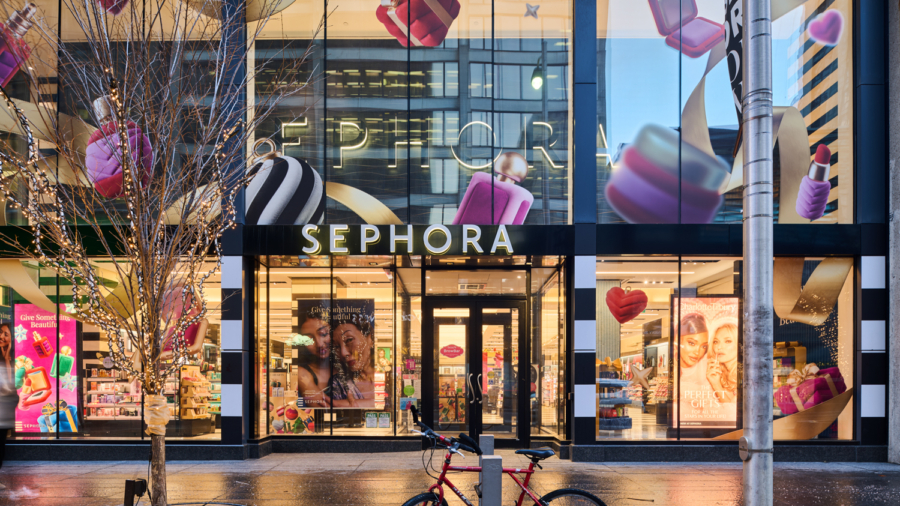
sephora-holiday

What to Expect This Festive Season

As the holiday season approaches, brands and retailers are gearing up to create displays that captivate, inspire, and, most importantly, stand out. Each year, new trends emerge that shape how businesses approach their holiday decor and visual marketing strategies. For 2025, it’s all about blending innovation with  heartwarming nostalgia, pushing the boundaries of what a holiday display can be.

Here are the top trends you can expect to see lighting up the retail world this year:

1. Minimalism with a Sprinkle of Magic: Less is More

While the holidays are often associated with lavish, over-the-top decorations, the trend for 2025 is steering toward minimalism. Sleek, clean lines paired with strategic pops of colour will dominate retail displays this coming holiday. Imagine window displays where a few carefully placed, elegant elements create a sense of wonder. The goal here isn’t to overwhelm but to captivate with simplicity. Think eye-catching displays that say “we’ve got style,” not “we’ve got everything.”

2. Let There Be Light! Immersive Lighting That Transports You

to a Winter Wonderland

Lighting will continue to play a major role in holiday displays, but in 2025, it’s all about immersion. Expect more brands to use interactive, dynamic lighting to evoke a magical winter atmosphere. Think twinkling LEDs that mimic snowfall or colour-changing lightboxes that create shifting moods—from a cozy hearth to a frosty winter night. shomi!’s iMPAKT-in-Motion lightboxes are perfect for brands looking to add that extra layer of immersion to their displays. By using programmable lighting effects, you can create a dynamic experience that draws customers in and keeps them engaged.

3. Eco-Friendly Displays That Don’t Skimp on Style

Let’s face it—customers are more eco-conscious than ever, and 2025 is all about decking the halls without decking the planet. From recycled materials to reusable displays, sustainability is where it’s at this holiday season. The good news? Being green doesn’t mean sacrificing style. At shomi!, we offer sustainable display solutions, from reusable SEG fabric banners to energy- efficient lightboxes. This trend allows your brand to be both festive and mindful of the environment—something today’s consumers are increasingly looking for.

4. Retro Holiday Vibes, with a Modern Twist

Nostalgia is in the air! This year, you’ll see plenty of retro-inspired displays—think vintage fonts, classic holiday colours, and old-school ornaments—but with a fresh, modern twist. It’s all about blending timeless holiday cheer with contemporary flair.

5. Personalized, Interactive Experiences

Personalization continues to be a driving force in consumer behaviour, and this holiday season, interactive and personalized displays will be a huge trend. Think augmented reality (AR) holiday experiences, customizable signage that allows shoppers to see their names or messages in lights, or touchpoints where customers can interact with the display.

6. Cozy Comfort: Because Everyone Wants to Feel at Home for  the Holidays

Holidays are about comfort and joy, and this year, displays are leaning into that cozy vibe. Think warm lighting, soft textures, and displays that make you feel like you’ve just stepped into a cabin by the fire. This trend is all about creating a welcoming space that wraps customers in a hug (metaphorically, of course).

7. Futuristic Festivities: High-Tech Holiday Displays on the Rise

While cozy is one direction, some brands are looking to the future with high-tech elements like digital screens and 3D-like effects that draw in a younger crowd. Although fully interactive holograms and 3D projections are still a bit further off from mainstream retail, brands experimenting with cutting-edge tech are gaining attention.

8. Multi-Sensory Displays: Beyond Visuals

In 2025, holiday displays will go beyond just visuals—brands will be looking to  engage multiple senses. This includes everything from the scent of pine and  cinnamon incorporated into the display space to soft, festive background music that enhances the ambiance. These multi-sensory elements will work together to create a complete holiday experience that lingers in the minds of customers.

As the 2025 holiday season approaches, staying ahead of these display trends will not only help your brand to embrace the holiday spirit but also create innovative, memorable experiences that resonate long after the season ends. Whether you’re looking for sustainable solutions, immersive lighting, or interactive displays, shomi! has the tools and expertise to bring your vision to life. Let’s work together to create a holiday display that  captivates and delights your customers.

Creating Social Media-Worthy Store Displays

The Art of Designing for Instagram, Snapchat, TikTok and Beyond

In the age of social media, where every moment is a photo or video op, your store’s display isn’t just a backdrop—it’s the star of the show. Whether it’s a meticulously arranged product stand, a jaw-dropping window display, or an interactive setup that begs for a dance video, today’s visual merchandising has a new mission: to be social media-worthy. After all, if it’s not shared on Instagram, TikTok, Snapchat, or the latest app, did it even happen?

The Power of the Perfect Pic or Clip

Let’s face it: We’re all guilty of pausing to snap a photo or record a quick video of something eye-catching—be it a colorful mural, an intricately designed coffee, or a store display that stops us in our tracks. And where do these visual gems inevitably end up? On Instagram, TikTok, Snapchat, and wherever else we can get those likes, comments, and shares. In the retail world,
a social media-worthy display can translate into free advertising, increased foot traffic, and yes, even sales. But creating a display that compels people to whip out their phones and hit that share button? That’s an art form.

Gen Z: The Social Media Powerhouse

Enter Gen Z, the digital natives who’ve grown up with smartphones, social media, and a constant flow of content. For this generation, social media isn’t just a tool—it’s a way of life. They’re the trendsetters, the influencers, and the ones driving the latest viral challenges on TikTok. When it comes to retail, Gen Z is a crucial demographic, not just because of their buying power but because of their ability to amplify your brand through their social networks.

Creating displays that resonate with Gen Z means understanding what they value: authenticity, creativity, and experiences. They’re not just looking for a product—they’re looking for something to share with their followers. A store display that’s visually striking, interactive, and offers a unique experience is more likely to capture their attention and, more importantly, end up on their social media feeds. And once something catches on with Gen Z, it’s only a matter of time before it spreads like wildfire.

The Elements of a Social Media-Worthy Display

1. Bold Colors and Contrasts
Think of social media as a massive gallery of eye candy. Your display needs to stand out like the most decadent dessert at a buffet. Bold colors, high contrasts, and visually striking elements are your best friends. Picture a sea of monotone posts, and suddenly, your vibrant display pops up like a firework on New Year’s Eve. That’s the kind of reaction you’re going for.

Pro Tip: Mix unexpected colors or use a single, bold shade against a neutral backdrop. It’s like wearing a neon pink suit to a black-tie event—people can’t help but look.

2. Interactive Elements
What’s more shareable than a beautiful display? A display that people can interact with! Whether it’s a funhouse mirror, a swing set in the middle of your store, or even a life-sized cardboard cutout of a celebrity that customers can pose with, interactive elements invite people to not only take photos but also to be in them. This is where platforms like TikTok and Snapchat shine—people love to create content that’s both fun and engaging.

Pro Tip: Add a #hashtag to your display so customers can easily tag their photos and videos, and you can track the buzz. Encourage customers to create short TikTok videos or Snapchat stories featuring your display—consider offering a prize for the best one!


3. The Power of Lighting

If you’ve ever tried to take a selfie under fluorescent lights, you know the struggle is real. Good lighting is essential for any social media-worthy display. Think soft, diffused lighting that makes everything—and everyone—look good. Neon lights, LED strips, and strategically placed spotlights can add that extra flair to make your display shine—literally.


Pro Tip: Lighting isn’t just about visibility; it’s about creating mood and ambiance. Go for warm tones to create a cozy feel or bright whites for a modern, clean look. And don’t forget about dramatic lighting effects that can add a dynamic touch, perfect for TikTok videos.


4. Keep It Simple, Yet Stunning

There’s a fine line between “Wow, that’s cool!” and  “Wow, that’s…a lot.” Overloading your display with too many elements can overwhelm the eye and make it difficult for customers to focus on what’s important. Remember, the goal is to create something that’s easy to photograph and visually appealing.


Pro Tip: Think minimalist chic. Sometimes, less really is more. A single, well-placed piece can have more impact than a cluttered collection. And a simple yet striking display can become the perfect backdrop for a TikTok dance challenge or a Snapchat story.

Case Studies: Brands Who Nailed It

Case Study 1: Glossier
Glossier, the beauty brand known for its millennial-pink aesthetic, has mastered the art of social media-worthy displays. Their stores feature sleek, minimalist designs with soft lighting and a clean, pastel color palette that begs to be photographed. Customers can’t resist snapping a selfie in the iconic pink mirrors or capturing the perfectly arranged product shelves. The result? An endless stream of user-generated content that keeps the brand trending on  Instagram, TikTok, and beyond.

Case Study 2: KITH Treats

KITH, the streetwear brand, ventured into the world of social media-worthy food with KITH Treats, an ice cream shop known for its over-the-top milkshakes and cereal-topped sundaes. The stores feature neon signs, futuristic lighting, and graphic murals, creating a visually stunning environment. Every corner of the shop is designed to be camera-ready, turning every visit into a photo op or a TikTok-worthy moment.


Case Study 3: Urban Outfitters

Urban Outfitters has long been a favourite among Gen Z, not just for its trendy apparel but also for its highly Instagrammable store displays. Their locations often feature unique installations, like artful product arrangements, vintage-inspired decor, and even pop-up experiences that change seasonally. One notable example is their “Music Corner,” where customers can listen to vinyl records and share their experiences on social media. Urban Outfitters leverages this kind of experiential marketing to create content that resonates with their tech-savvy audience, driving both in-store visits and online engagement.

Bringing It All Together: The Social Media Magic Formula

So, how do you create a display that’s bound to go viral across platforms like Instagram, TikTok, and Snapchat? It’s all about understanding the magic formula:

Visual Appeal + Interactivity + Simplicity + Lighting + Gen Z Appeal = Social Media Gold.

Your display should not only grab attention but also invite people to engage with it. Make it easy to  photograph and film, and make it something people will want to share with their followers.

But here’s the kicker—don’t forget to make it authentic to your brand. In a world where everyone’s trying to be the next big thing on social media, authenticity stands out. Your display should reflect who you are as a brand while also being eye-catching and shareable.


Final Thoughts: Don’t Just Sell, Create an Experience

In today’s social media-driven world, your store display isn’t just a place to showcase products—it’s an experience. A social media-worthy display can transform a regular shopping trip into a memorable event, driving engagement and brand loyalty in ways traditional advertising can’t. And when you factor in the power of Gen Z, the stakes are even higher.

So, the next time you’re designing a display, think beyond the shelf. Think about the story you want to tell, the emotions you want to evoke, and the photos and videos you want your customers to take.

Retail Displays Gone Wrong Title

When Retail Advertising Displays Go Wrong

Retail Displays Gone Wrong Title

Retail Display Fails & How To Avoid Them

At shomi! inc., we know that a well-crafted retail display can make or break your brand’s image. From banners and banner frames to signs and lightboxes, these tools are essential for grabbing attention and driving customer engagement. But what happens when things go wrong? Let’s take a look at some real-life examples of retail advertising blunders and what you can do to avoid them.

1. Dim or Inconsistent Lighting in Lightboxes

The Problem: Lighting can either highlight your products beautifully or cast them in an unflattering light—literally. Inconsistent or dim lighting in lightboxes can make your display look unprofessional and diminish its effectiveness.

Real-Life Example: In 2017, Apple faced an issue with their lightbox displays in some stores. The problem? Inconsistent lighting due to a manufacturing defect in the LED panels. The dim and uneven lighting in some lightboxes caused a visible difference between displays, leading to customer complaints and a costly recall. While Apple swiftly addressed the issue, the inconsistency in lighting marred the premium feel typically associated with their stores.

How to Avoid: Invest in high-quality, reliable lighting solutions. At shomi!, we ensure that all our lightboxes use top-grade LEDs that provide bright, consistent illumination. Regular maintenance and quality checks are also essential to prevent issues before they arise.

2. Poorly Installed or Misaligned Signs and Banner Frames

The Problem: No matter how beautiful your design is, if your signs or banners are installed crookedly or are misaligned, they can undermine your brand’s image.

Real-Life Example: In 2019, Toys “R” Us tried to make a comeback by reopening stores in the U.S. However, in one of their flagship stores, a large exterior banner was installed incorrectly, with noticeable misalignment. The crooked banner became a symbol of the company’s struggles, drawing negative attention on social media and undermining the excitement surrounding the store’s reopening.

How to Avoid:
Proper installation is key. At shomi!, our team ensures that every banner, sign, and frame is installed with precision, so your displays look polished and professional from every angle.

3. Outdated or Damaged Banners and Signs

The Problem: Faded, torn, or outdated banners and signs can give your store a neglected appearance, sending the wrong message to potential customers.

Real-Life Example: In 2020, Sears stores, which were already struggling, became infamous for their outdated and damaged signage. Faded store signs and tattered banners outside several locations signaled a lack of care and attention, which only reinforced the public’s perception that the brand was in decline. This contributed to the company’s ongoing financial woes and eventual closures.

How to Avoid: Regularly inspect and update your displays. At shomi!, we use durable materials that withstand the elements, keeping your banners and signs looking fresh and vibrant.

4. Inconsistent Branding Across Displays

The Problem: Your brand’s visual identity needs to be consistent across all platforms. Inconsistent branding in your signage or banners can confuse customers and weaken your brand’s impact.

Real-Life Example: In 2016, Gap launched a new logo as part of a rebranding effort. The new logo was met with overwhelming backlash from customers, designers, and the general public. The change was so unpopular that it became a trending topic on social media, with many mocking the new design and creating their own versions of it. One major issue with the rebranding was the inconsistency in its rollout. Some stores and online platforms still displayed the old logo, while others had switched to the new one. This inconsistency created confusion and diluted the brand’s identity, making it difficult for customers to associate the new logo with the Gap brand. The inconsistency not only diluted the brand message but also hurt the rebranding effort, ultimately leading Gap to revert to its original logo within just a week.

How to Avoid: Ensure all branding elements are consistent across all displays. At shomi!, we work closely with our clients to maintain uniformity in all aspects of their visual displays, ensuring a cohesive and professional brand image.

5. Overly Complex Designs

The Problem: Complex or cluttered designs can be difficult to read and understand, especially from a distance. If customers can’t quickly grasp your message, they might just walk away.

Real-Life Example: In 2015, J.C. Penney launched a series of in-store promotional banners with intricate designs and a mix of various fonts and colours. The banners were meant to communicate multiple offers and discounts at once, but the result was a cluttered and confusing visual that customers struggled to decipher. The overly complex designs led to frustration rather than engagement, causing the campaign to underperform and prompting a quick redesign.

How to Avoid: Simplicity is key. At shomi!, we design banners and lightboxes with clear, concise messaging that captures attention and communicates effectively. By focusing on the essentials, we ensure that your displays are not only eye-catching but also easy to understand, making a lasting impact on your audience.


From inconsistent lighting to outdated banners, these real-life examples show that even the smallest mistake can have significant consequences for your brand. By paying attention to details and working with professionals who understand the importance of quality and consistency, you can avoid these common pitfalls. At shomi!, we specialize in creating flawless retail advertising displays that help your brand stand out for all the right reasons. Whether you need banners, signs, or lightboxes, we’ve got the expertise to ensure your displays are always a shining success.

Blog header titled "The Evolution of Retail Displays"

A Brief History of Retail Displays

Blog header titled "The Evolution of Retail Displays"

The Evolution of Retail Displays:

From Hand-Painted Boards to Digital Visual Displays

The world of retail displays has come a long way from the days of hand-painted boards and simple wooden signs. Today, digital visual displays and interactive technology are revolutionizing the way businesses attract and engage customers.

In this blog post, we’ll take a journey through the history of retail signage, explore the technological advancements that have shaped the industry, and discuss what the future holds for this essential aspect of retail activation and experiential marketing.

The Early Days: Hand-Painted and Wooden Signs (Pre-19th Century)

Historical Context
The origins of retail displays can be traced back to ancient civilizations such as the Egyptians, Greeks, and Romans, where symbols and signs were used to advertise goods and services. By the Middle Ages, hand-painted boards became common in Europe, providing a personal touch that reflected the unique character of each business.

Vintage Tavern Sign
Vintage Tavern Sign

Interesting Fact: The ancient Romans were pioneers in using retail signage. They used terracotta plaques and painted murals to advertise shops and products. Even taverns had symbols such as ivy bushes to denote the availability of wine.

Craftsmanship
Creating hand-painted signs required a high level of artistry and skill. Artisans meticulously crafted these signs to capture the essence of the business, using vibrant colors and intricate designs. These signs were not only functional but also served as a form of visual art that attracted customers.

Interesting Fact: During the Middle Ages, innkeepers used elaborate and often humorous signs to attract patrons. Since many people were illiterate, these signs relied heavily on imagery to convey their message.

The Advent of Printed Signage (19th Century)

Peter Small demonstrating the use of the Gutenberg press at the International Printing Museum.

Technological Advancements
The introduction of printing technology in the early 19th century marked a significant milestone in the evolution of retail displays. The invention of the printing press allowed businesses to produce signage more efficiently and cost-effectively. Printed signs offered greater consistency and uniformity, which helped in establishing brand recognition.

Interesting Fact: The first known use of printed posters for advertising was in 1477, when William Caxton printed a poster advertising a book for sale. By the 19th century, lithography had revolutionized poster printing, making colorful and intricate designs possible.

The first ever printed poster - printed by William promoting Caxton’s Sarum Pie, or the Ordinale ad usum Sarum, a handbook for priests.
The first ever printed poster – printed by William Caxton – promoting Caxton’s Sarum Pie, or the Ordinale ad usum Sarum, a handbook for priests.

Standardization and Mass Production
Printing technology enabled the mass production of signage, making it accessible to a wider range of businesses. This standardization meant that even small businesses could afford professional-looking signs that attracted customers and enhanced their storefronts.

The Neon Era: Lighting Up Retail (1920s-1960s)

Neon Pharmacy Sign
Neon Pharmacy Sign

Cultural Impact
The neon sign boom of the 1920s to 1960s brought a new level of vibrancy to urban landscapes. Neon signs became synonymous with bustling city life, illuminating streets with their bright, glowing colors. They played a significant role in shaping the visual identity of retail districts and became cultural icons in their own right.

Interesting Fact: The first neon sign in the United States was installed in 1923 in Los Angeles. The sign, advertising a Packard car dealership, cost $24,000—a hefty sum at the time, equivalent to around $350,000 today.


Innovation and Design
Neon signs represented a leap in innovation and design. The ability to bend glass tubes into various shapes and fill them with different gases allowed for the creation of intricate and eye-catching designs. Iconic neon signs, such as those in Times Square, have left a lasting legacy in the world of retail displays.

Modern Day: Digital Visual Displays and Interactive Signage (2000s-Present)

Digital Revolution
The digital revolution in the early 2000s transformed retail displays with the advent of digital visual displays and interactive signage. LED signs, digital billboards, and interactive kiosks have become commonplace in retail environments. These digital solutions offer dynamic content that can be updated in real-time, providing businesses with unparalleled flexibility and control.

Customer Engagement
Digital signage enhances customer engagement by delivering personalized and relevant content. Interactive displays allow customers to engage directly with the brand, exploring products and accessing information at their fingertips. This level of interactivity creates a more immersive shopping experience that can drive sales and loyalty.

Case Studies
Numerous businesses have successfully implemented digital signage to boost sales and improve customer experiences. For example, a retail chain might use digital displays to showcase rotating promotions and advertisements, while a boutique store could use interactive kiosks to provide customers with personalized styling advice.

Pop-Up Shops and Retail Activation (2010s-Present)

Temporary Retail Spaces
Pop-up shops have become a popular trend in the retail industry since the 2010s, utilizing visual displays to create unique and engaging shopping experiences. These temporary retail spaces are designed to generate excitement and buzz around a brand or product launch.

Bright yellow store front titled "Kate Spade Saturday"
Kate Spade Saturday’s Meatpacking pop-up shop” by Bex.Walton is licensed under CC BY 2.0 .

Interesting Fact: The first documented pop-up shop was created by Vacant, a Los Angeles-based agency, in 1999. They set up temporary retail spaces in various cities to showcase emerging designers and brands.

Brand Engagement
Pop-up shops and retail activation events leverage design and experiential marketing to draw in customers. By creating visually stunning and interactive displays, brands can create memorable experiences that leave a lasting impression. These events are often accompanied by social media campaigns, further amplifying their reach and impact.

The Future of Retail Displays
Emerging Technologies

A man using VR to shop
Future of retail shopping using VR tech

The future of retail displays is set to be shaped by emerging technologies such as augmented reality (AR), virtual reality (VR), and artificial intelligence (AI). AR and VR can create immersive shopping experiences that allow customers to visualize products in their own environments. AI can provide personalized recommendations and dynamic content based on customer behavior.

Interesting Fact: AR and VR in retail are projected to be worth over $1.6 billion by 2025. Retailers are using these technologies to offer virtual try-ons and enhanced product visualizations, significantly boosting customer engagement.

Sustainability
There is a growing trend towards eco-friendly signage solutions in retail displays. Businesses are increasingly adopting sustainable materials and practices to reduce their environmental footprint. This shift towards sustainability not only benefits the planet but also resonates with environmentally-conscious consumers.

Interesting Fact: Sustainable signage options include using biodegradable materials, recycled plastics, and energy-efficient lighting like LEDs, which consume up to 75% less energy than traditional lighting solutions.

Retail displays have evolved significantly over the centuries, adapting to technological advancements and changing consumer preferences. As we look to the future, it’s clear that innovation will continue to drive the industry forward, creating new opportunities for businesses to connect with their customers in meaningful and impactful ways. Whether through digital visual displays or sustainable materials, the next era of retail signage promises to be as dynamic and transformative as those that came before it.

We invite you to share your thoughts on the evolution of retail displays and encourage you to visit our website to learn more about our services in retail activation, design, and experiential marketing. Discover how we can help you stay ahead in the ever-evolving world of retail displays.

The persuasive power of retail signs blog post photo

How Retail Signs Influence Consumer Behaviour: The Power of Persuasion

The persuasive power of retail signs blog post photo

In the bustling world of retail, where every square foot of space is valuable real estate, signage reigns supreme as a silent yet powerful influencer. From the moment customers step foot into a store, they are bombarded with a myriad of signs begging for their attention. But have you ever stopped to consider just how much these signs impact your shopping experience?

In this blog post, we’re going to delve into the fascinating world of retail signage psychology and explore the profound ways in which signs can shape consumer behaviour.

The Science Behind Signage

Let’s start with the basics. Retail signage isn’t just about slapping a logo on a piece of cardboard and calling it a day. No, there’s a science behind it – a delicate balance of design, psychology, and marketing strategy.

Colour psychology plays a significant role here. Did you know that certain colours can evoke specific emotions and behaviours in consumers? For example, vibrant hues like red and orange are often associated with urgency and excitement, making it them a perfect choice for highlighting sales or promotions. Meanwhile, softer tones like blue and green can evoke feelings of trust and tranquility and reliability, making them ideal for brand messaging.

The Art of Persuasion

But it’s not just about colours – the words on the sign matter too. Language is a powerful tool for persuasion, and retailers know this all too well. From catchy slogans to compelling calls to action, every word on a sign is carefully chosen to nudge customers towards a desired behaviour. Take, for example, the difference between “Buy now!” and “Discover the perfect gift today.” The former is a straightforward command, while the latter invites customers to explore and engage with the products on offer – a subtle but effective difference in tone.

The Placement Puzzle

Of course, it’s not just what’s on the sign that matters – where it’s placed can be equally influential. Eye-tracking studies have shown that customers tend to look at signs positioned at eye level first, making them prime real estate for important messages or promotions. Similarly, signs strategically placed near checkout counters can capitalize on impulse purchases, tempting customers to add a last-minute item to their basket.

Harnessing the Power of Signage

In conclusion, the humble retail sign is far more than just a piece of printed material – it’s a powerful tool for persuasion and influence. By understanding the psychology behind signage design, retailers can create environments that not only attract customers but also guide them towards making purchasing decisions.

So the next time you find yourself wandering the aisles of your favourite store, take a moment to appreciate the subtle artistry of the signs around you. Who knows – they might just convince you to make a purchase you hadn’t planned on 😉

Holiday Lightbox

Utilizing Lightbox Displays to Boost Sales over the Holidays

Holiday Lightbox

The holiday season is the biggest shopping opportunity of the year – for both online and offline retailers. With consumers actively out shopping for gifts, it becomes essential for businesses to lure them into their stores and inspire them to make purchases. And this is where Lightbox Displays come in. Lightbox displays are a perfect way to showcase promotional deals, new products, and other special offers that can boost your sales. In this post, we are going to discuss how to effectively utilize Lightbox displays to drive more business and revenue this holiday season.

Highlight Seasonal Discounts and Offers

The holiday season is all about indulging in gift exchanges, so why not offer something extra special to your customers? Lightbox displays can be ideal for highlighting seasonal discounts and deals. By informing shoppers of a special sale, promotion, or discount, you can pique their interest in your products and services. Keep the focus on the value of the offer, as well as when it will expire, to create urgency that can increase the likelihood of purchase.

Showcase New Products

When you highlight new products in your store, customers will feel compelled to check them out. Using Lightbox displays, you can showcase top sellers, exclusives, or other products that are likely to grab their attention. With a clear and visually appealing display, you can create interest and increase the likelihood of a purchase.

Announce Upcoming Events

Lightbox displays can also be used to announce upcoming events, like holiday sales, meet-and-greet events with product ambassadors, and other special events. By publicizing the event through your display, your customers will be more inclined to take note and participate. A captivating display can sway customers to prioritize your business’s event on their to-do list for the holiday season.

Create Emotional Appeal

The holidays are all about connection and emotion, and that can be a powerful motivator for purchases. With Lightbox displays, you can create an emotional appeal that resonates with your customers and draws them in. Use warm colors, cheerful images, and authentic copy to create a holiday ambience. Do not forget to make your displays visually appealing so that they catch the eye and draw your customers in.

Use Interactive Experiences

Interactive Lightbox displays are ideal for promoting social media engagement or in-store events. By allowing interaction with your display or social media platforms, you can make your promotional effort more memorable, engaging, and fun. Interactive displays can also help you to gauge and understand your customer’s interests more acutely, which translates to better service.

Keep Messaging Consistent Across Platforms

A key aspect of retail marketing is consistency across a variety of platforms. By ensuring that your messaging remains consistent across platforms – in-store, social media, website, and print marketing – your customers will have a clear idea of what to expect and when. This consistency creates trust, promotes customer loyalty, and increases overall customer satisfaction.

Be Mindful of your Target Audience

Creating a targeted message will result in more engagement and business from a specific demographic. For example, if you’re targeting parents shopping for young children, it may be beneficial to advertise children’s toys and items in your displays. By catering to a specific demographic with relevant messages and products or services, you can increase the chances of them making a purchase.

By featuring special discounts, new products, events, and creating a wholesome experience, businesses can attract and engage more shoppers, resulting in higher sales. At the same time, keeping messaging consistent across various platforms and mindfulness for target audiences can lead to a more cohesive and memorable experience for your customers. When properly executed, Lightbox displays can be a powerful force in driving holiday revenue and establishing loyalty with new and existing customers throughout the year.