

SEG Fabric Displays – FAQ
1. What does SEG stand for in SEG fabric displays? SEG stands for Silicone Edge Graphics. These displays utilize a printed fabric material featuring a silicone strip sewn along the edges, which easily fits into a frame with a corresponding
The Science Behind Why Your Display Isn’t Getting Noticed
Motion, light, and dimensional builds aren’t design trends. They’re biology. The human visual system is hardwired to detect motion, respond to light contrast, and interpret depth. The right display format matches those instincts to the demands of the environment it’s

Why Some SEG Environments Feel Cheap (and How to Avoid It)
When SEG environments miss the mark, it’s rarely because the system itself failed. It’s because SEG was asked to do work it was never designed to do, or because key details were treated as optional. SEG isn’t the problem. Bad decisions

Engineering the Immersive Coral Reef Experience | Arcadia Earth Toronto
Turning 17,000 square feet of raw retail space into a fully immersive underwater world in less than 16 weeks. No pressure, right? That was the brief for Arcadia Earth – The Well Toronto. The goal was ambitious: create a walk-through
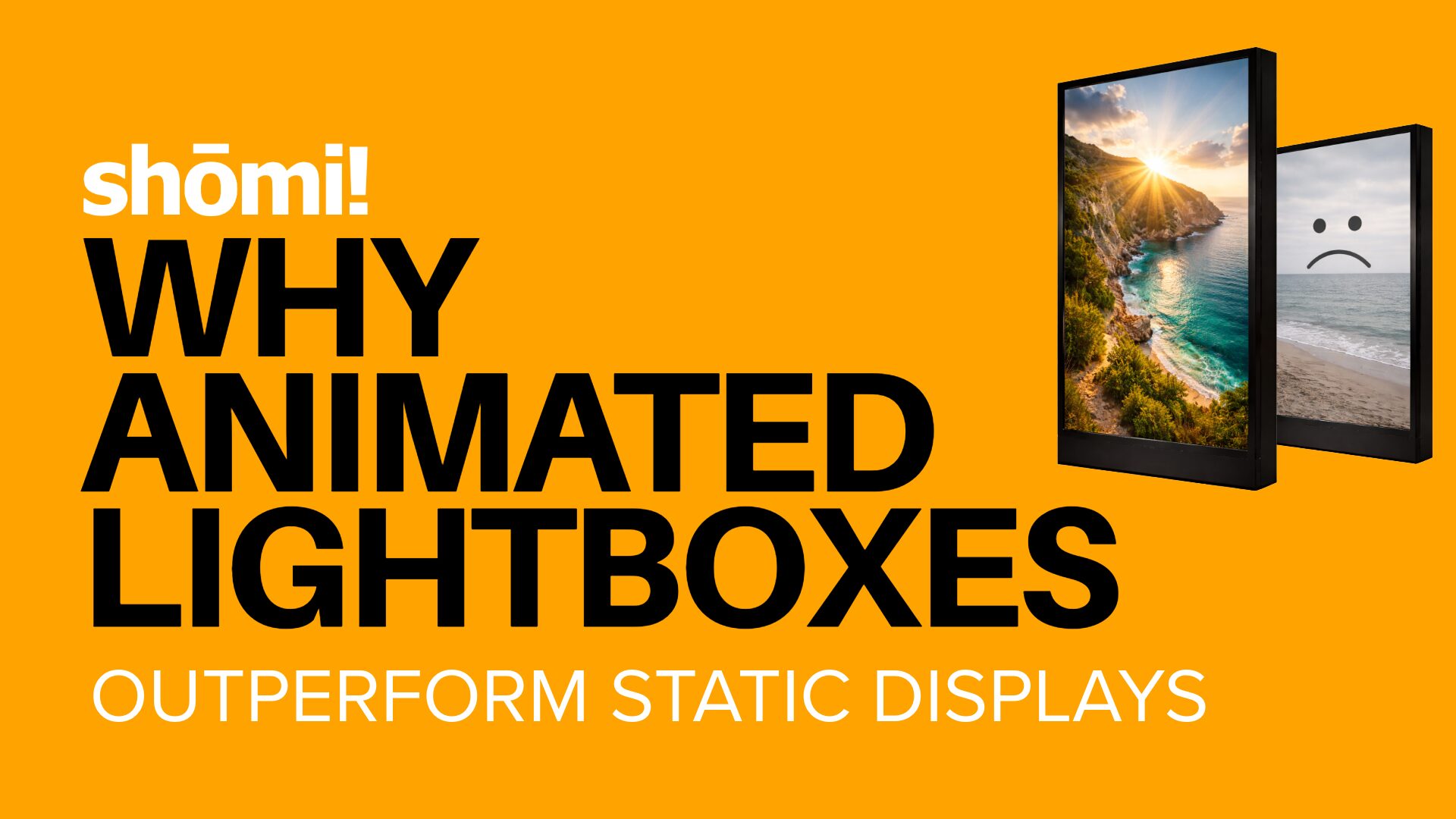
Why Animated Lightboxes Outperform Static Displays
Static Displays Blend in. Animated Lightboxes Don’t. Let’s be honest about the state of physical environments. Retail floors are crowded. Trade shows are louder than ever. Experiential spaces are designed to overwhelm. In that context, most static displays aren’t competing, they’re

What Agencies Should Ask Fabricators Before Finalizing a Design
Most production problems don’t start on the shop floor. They start after the design is locked. By the time a fabricator sees the final files, the biggest decisions are already baked in. Dimensions, materials, finishes, and assembly methods are treated

Color That Sells: How smart color choices drive emotion, engagement and sales
Walk into a Target, open Amazon, or step into an Apple store, and one thing hits you before the price tags do: color. Shoppers form an impression in under 90 seconds—and up to 90% of that judgment is based on

